
Address: Home > News > Frequently Asked Questions >
Specification for working condition adaptation and selection of silicone U-shaped hose for equipment cooling circuit
Time:2026-08-05 11:52:10 Author:Lingyongtai Clicks:187Second-rate
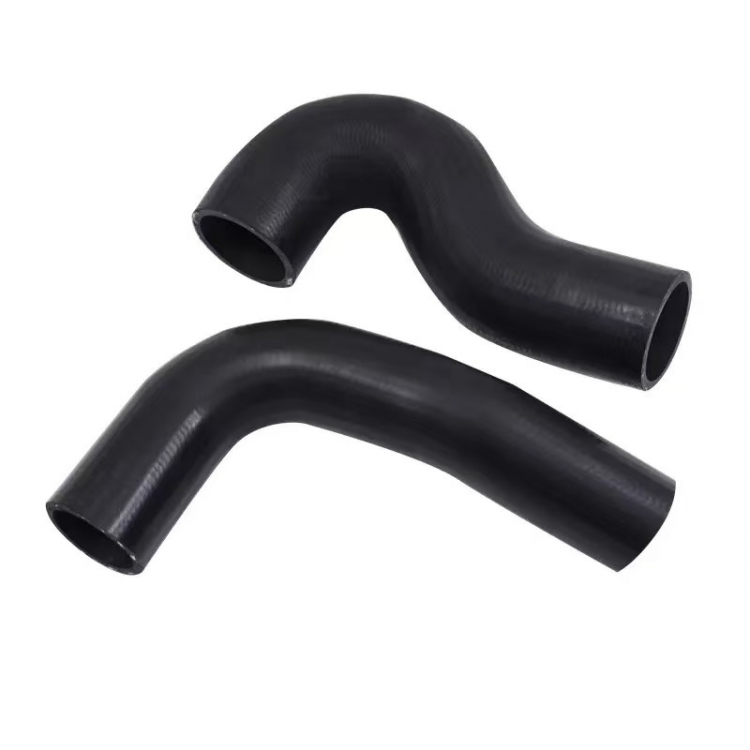
This specification is applicable to the working condition adaptation judgment, structural selection, parameter matching, and on-site assembly acceptance of silicone U-shaped hoses for industrial equipment, engineering machinery, and vehicle cooling circulation systems. Cooling circuits often have installation structures that involve pipeline folding, limited space, and parallel routing. Conventional straight pipelines require multiple sections to be connected and spliced, which increases the number of pipeline nodes and poses sealing risks. The silicone U-shaped hose adopts an integral arc shaped structure, which is suitable for the folding pipeline layout of the cooling system, simplifying the circuit structure and reducing the use of adapter accessories. This article combines the characteristics of conventional cooling circuit operating conditions, environmental conditions, structural differences, and size standards to streamline the standardized selection process, providing objective technical basis for equipment maintenance, pipeline matching, and accessory replacement.
The cooling circuit of the equipment has fixed operating characteristics, and the pipeline undertakes the circulation and heat exchange of the coolant for a long time. During operation, it will be accompanied by alternating temperature changes, small fluctuations in pipeline pressure, and continuous vibration of the equipment body. At the same time, the placement of equipment and the working environment will come into contact with dust, humid air, and slight oil stains, which will have a sustained impact on the surface material of the pipeline in the long run. Ordinary rubber pipelines, when used in such environments for a long time, will gradually experience material hardening, surface cracking, and interface water leakage, which will affect the continuity of the cooling circuit circulation. The U-shaped hose is made of silicone material and molded into a one-piece structure. The material is suitable for conventional temperature fluctuation environments, and the structural form is less affected by working conditions. It is suitable for various continuous operation cooling circulation pipeline scenarios.
According to the differences in equipment operating load and environment, the cooling circuit conditions can be divided into two categories: conventional conditions and complex conditions, corresponding to different structural styles of U-shaped silicone hoses. Conventional operating conditions are suitable for cooling equipment with intermittent operation, low environmental impurities, and smooth load fluctuations. The temperature and pressure range of the pipeline are relatively stable, and standard single-layer silicone structure U-shaped hoses can be selected to meet the needs of daily medium circulation and pipeline folding adaptation, and to adapt to the maintenance and replacement scenarios of conventional equipment. Complex working conditions are suitable for equipment that operates continuously for a long time, has high vibration frequency, and has a lot of dust and oil pollution in the environment. Multi layer fiber woven composite structure styles can be selected, relying on internal woven interlayers to optimize the stress state of the pipe wall, adapt to long-term fluctuating working conditions, and reduce the probability of pipe wall deformation.
The adaptation of spatial structure is the core basis for selecting U-shaped hoses. At points where the equipment casing is compact, the pipelines are dense, the dual interfaces are parallel to each other, and 180 degree turn back routing is required, the standardized U-shaped arc structure can directly complete pipeline reversing without the need for multiple pipe fittings to be spliced. During the selection process, it is necessary to focus on checking the equipment installation spacing, pipeline parallel drop, and arc avoidance space, matching products with corresponding arc specifications, ensuring that the pipeline maintains a reasonable distance from the surrounding wiring harness, shell, and hardware structure after installation, and avoiding problems such as fitting friction and squeezing interference. The uniformly shaped circular arc structure can regulate the circuit routing, making the medium circulation path smoother.
The selection of specification parameters should refer to the original factory pipeline basic parameters and measured data of the equipment. The core verification dimensions include pipeline inner diameter, pipe wall thickness, straight pipe section length, and U-shaped arc radius. The inner diameter of the pipeline should match the specifications of the equipment interface and sealing accessories to ensure proper fit and reduce assembly gaps; The thickness of the pipe wall is selected according to the operating load of the equipment. The standard thickness is suitable for conventional cyclic working conditions, and the thickened composite pipe wall is suitable for high-frequency operation and circuits with significant pressure fluctuations; The length of the straight pipe section should meet the installation space of the pipe clamp fasteners to ensure the assembly and fastening effect; The radius of the arc should be in line with the spacing of the equipment's wiring to avoid stretching, squeezing, and deformation of the pipeline. All parameters are matched based on actual equipment operating conditions and measurement data.
Material selection should be determined based on the cooling medium and external environment. EPDM (ethylene propylene diene monomer) silicone material is suitable for conventional antifreeze and cooling water media, with good weather resistance. It can adapt to outdoor, humid, and equipment environments with significant temperature changes, and slow down the aging rate of the material. Conventional silicone material is suitable for indoor constant temperature and pure medium cooling circuit scenarios, meeting basic circulation protection requirements. For equipment points that are prone to contact with grease media locally, oil resistant modified silicone material can be used to weaken the erosion effect of grease on the pipe wall and maintain the stability of the pipeline structure.
Standardized working condition adaptation and parameter selection can improve the assembly adaptability and operational stability of cooling circuit pipelines. The standardized folding structure of silicone U-shaped hoses can adapt to the wiring needs of most closed cooling circuits, and with differentiated structures, specifications, and material systems, can cover pipeline replacement and matching scenarios for different equipment. Strictly following this specification to complete accessory selection can reduce common problems such as pipeline leakage, deformation, and accelerated aging, reduce the frequency of equipment cooling system operation and maintenance, and provide standardized accessory support for the stable operation of various equipment cooling circuits.